Standing on the Edge of Death (1990)
Werdykt Radaru
Cichszy tytuł, który wciąż szuka swojej widowni, choć ocena opiera się na wąskiej próbie, więc traktuj ją orientacyjnie.
Opis
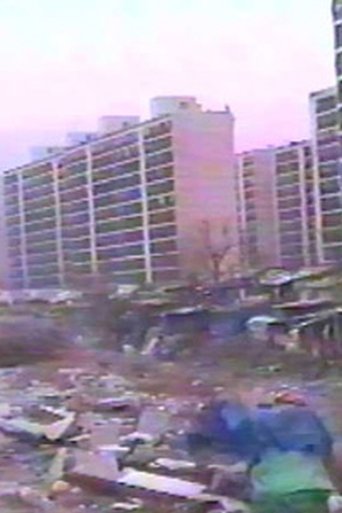
Unlike “trilogy on torn-down neighborhoods,” (The Sang-kye dong Olympics, Haengdang-dong People, and Another World We Are Making), Standing on the Edge of Death calmly describes how urban poverty was formed, how they live, and why more than 20 of them committed suicide at once in 1990. In this film, the director explains that people who moved from poor countryside formed urban slum, and because they did not have formal education or asset, they worked as day laborers. Residence was one particular problem they faced as they lost their main dwelling area due to redevelopment. They start their day at dawn and work till night. However, these hard-working people do not receive any recognition from the society.
Opis i metadane pochodzą z The Movie Database (TMDB).
Radar blends quality, momentum and freshness into one “what to watch now” number — so a great older film can sit lower than a rising new release. The Quality signal above is the time-neutral rating, which is why an acclaimed classic keeps a high quality score even when its Radar number is lower. Radar outputs are editorial algorithmic recommendations, not objective facts, and may change as signals update. A Radar score is not the same as a TMDB, IMDb or critic rating. How scoring works (v3.0).
 This product uses the TMDB API but is not endorsed or certified by TMDB. Dane o dostępności w streamingu dostarcza JustWatch.